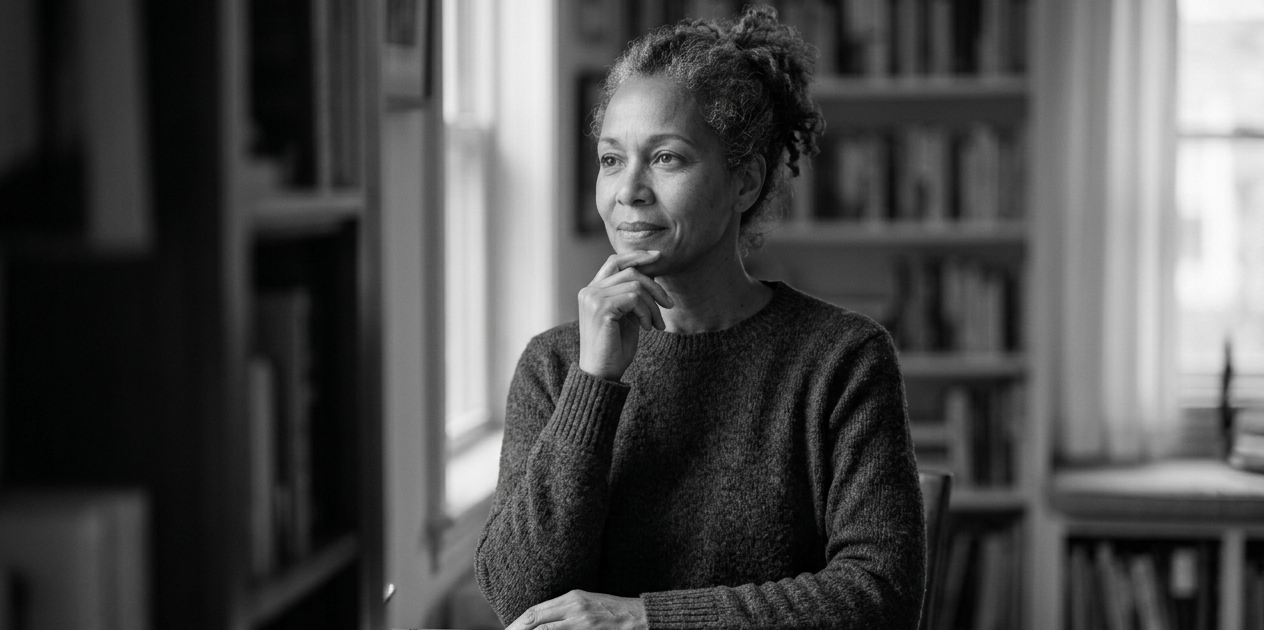
For many women, the word “menopause” has long been associated with endings—an idea reinforced by decades of hush-hush conversations, stigma, and outdated health narratives. But research and real-world stories are shifting the focus dramatically. Menopause is not the closing of a chapter but rather the beginning of the longest, and potentially most powerful, stage of your life.
For many women, the word “menopause” has long been associated with endings—an idea reinforced by decades of hush-hush conversations, stigma, and outdated health narratives. But research and real-world stories are shifting the focus dramatically. Menopause is not the closing of a chapter but rather the beginning of the longest, and potentially most powerful, stage of your life. If women in developed countries spend nearly a third or more of their lives in postmenopause, how are we not already talking about this time as a renaissance, a chance to design and own what comes next?¹⁻⁴
Owning the years after menopause is both a mindset and a practical opportunity. The modern science of longevity, hormone health, and personal optimization means women can be in the driver’s seat like never before. But it goes far beyond supplements or protocols; it’s about crafting the life narrative you deserve.¹⁻⁴
Redefining Postmenopause: Your Era of Potential
With the average age of menopause in the U.S. around 51 and average female life expectancy now well over 80, that’s three-plus decades with no periods, no birth control worries, and—according to new data—a period of possibility for health, productivity, and fulfillment. Historically, advances in public health and medicine have extended female postmenopausal life from only a few years (as was the case 100 years ago) to multiple decades today.¹⁻⁴
Society too often frames menopause as a diminishment, but numbers tell another story. Studies show postmenopausal women can expect to live, on average, roughly 30–40% of their total years in this stage. The growing longevity economy is already adapting: Brands now spotlight vibrant, successful women well into their 70s, 80s, and even 90s as icons of leadership and vitality.¹⁻⁴
Major shifts are happening in the science of aging. NAD+ (nicotinamide adenine dinucleotide), an essential coenzyme, is capturing headlines for its role in cellular energy, DNA repair, and potentially slowing signs of age-related decline. Coupled with strategies like Sermorelin therapy—known to stimulate the body’s own natural growth hormone and support muscle, skin, sleep, and cognitive health—innovative solutions are empowering women to reshape their postmenopausal decades.¹²
The Science of Longevity: New Tools for a New Chapter
Understanding your biology is key to owning this new chapter—not just accepting or “getting through” it. Here’s what’s fueling this change:
● NAD+ levels naturally decline with age, impacting everything from metabolic energy to cognitive clarity, muscle strength, and DNA repair. Recent studies [Cell Reports, 2021] have linked sustained NAD+ support to improved metabolic health, resilience to stress, and enhanced mitochondrial function.¹
● Hormone optimization isn’t about chasing youth but protecting quality of life. Sermorelin, used to prompt the body’s natural growth hormone release, shows early evidence in helping maintain lean muscle, bone density, and mental sharpness among adults navigating hormonal transitions.¹²
● Physical health at postmenopause is about proactive protection: Heart, brain, bone, and immune health all benefit from evidence-based movement, nutrition, supplementation, and lifestyle interventions. A 2022 Harvard Health report notes that targeted supplementation—when combined with exercise and stress management—can significantly mitigate risks of osteoporosis, cognitive decline, and metabolic disease postmenopause.³
There’s a groundswell around resilience and vibrant longevity. The global menopause market is projected to reach $24.4 billion by 2030 [Grand View Research, 2023], with a surge in community support, tailored regimens, and a focus on empowering women’s choices.²
Writing Your Next Chapter: Empowerment, Community & the Role of Cross-Generational Advice
What’s perhaps most powerful isn’t just the science or the new products—it’s the collective wisdom and agency. From C-suite trailblazers to artists, entrepreneurs, and everyday wisdom-sharers, women in postmenopause are recalibrating what legacy, leadership, and self-fulfillment mean.¹⁻⁴
The story isn’t one-size-fits-all. Longevity is not about copying someone else’s template but plotting your own journey using empathy, curiosity, and data-driven tools. Many women are choosing to cross-sell their wisdom: mentoring younger generations about hormone health, sharing breakthroughs in energy, sleep, and brain function, or creating spaces—physical or digital—aligned to what matters most at this stage.¹⁻⁴
Here are strategies that the most empowered are putting into practice:
● Prioritizing foundational health, not just quick fixes, with movement, sleep, connection, creative pursuits, and the right evidence-based therapies.
● Reclaiming ownership over their medical and self-care choices—in partnership with data-literate providers, but always at the center of decision-making.
● Finding and contributing to communities—whether that’s on platforms like RoarMD, in local sisterhood circles, or via digital meetups, building bonds around shared postmenopausal journeys.
● Championing longevity not as a vanity pursuit but as a legacy builder—living well to model resilience, wisdom, and purpose for generations to come.
Recent research published in the Journal of the American Medical Association shows that women who perceive aging positively live an average of 7.5 years longer than those who see only limitations. That’s more than genetics alone can account for—proving the power of mindset.⁴
The Next Stage Starts Here
Ultimately, the “longest chapter” starts with redefining our expectations, the science we leverage, and the stories we share. Menopause is not just a milestone; it’s an invitation—sometimes disruptive, sometimes exhilarating—to create with intention and authenticity.¹⁻⁴
This article is for informational purposes only and is not medical advice. Always consult your healthcare provider regarding any questions or concerns about your health or treatment options.
References
1. Cell Reports. NAD+ and aging. 2021. Accessed April 24, 2026. https://www.cell.com/cell-reports/fulltext/S2211-1247(21)00386-2
2. Grand View Research. Menopause market size, share & trends analysis report, 2030. Accessed April 24, 2026. https://www.grandviewresearch.com/industry-analysis/menopause-market
3. Harvard Health Publishing. What’s the connection between menopause, heart health, and bone health? 2022. Accessed April 24, 2026. https://www.health.harvard.edu/womens-health/whats-the-connection-between-menopause-heart-health-and-bone-health
4. JAMA Network. Positive perceptions of aging and longevity. Accessed April 24, 2026. https://jamanetwork.com/journals/jamainternalmedicine/fullarticle/1149639