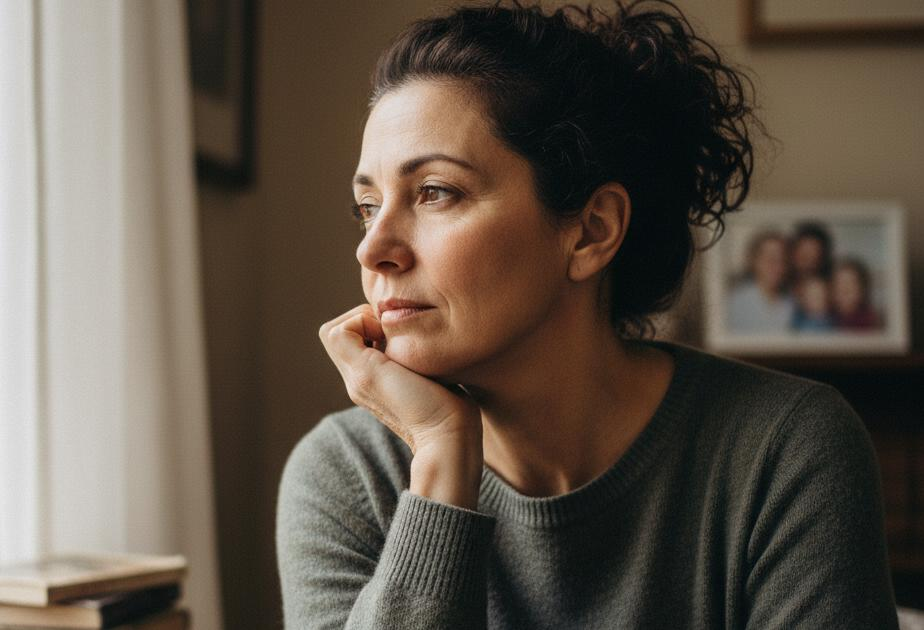
Explore our detailed blog post about cardiovascular disease in women. We address misconceptions, unique factors, and the importance of tailored research and prevention strategies. Stay informed and share your experiences.
Heart disease claims the lives of more women each year than all forms of cancer combined, yet culturally and clinically, itÕs still far too often seen as a manÕs disease. Despite decades of awareness campaigns, the gender gap in diagnosis, treatment, and even basic research is significant Ñ and women across the globe continue to be at risk because the system isnÕt adequately tailored to them. While strides have been made in understanding and preventing cardiovascular illness, itÕs time to address the unique risks, symptoms, and overlooked research that could make a lifesaving difference for women.Many misconceptions still surround heart disease in women. For example, an American Heart Association survey found that only 44% of women recognize that heart disease is their leading health threat. This lack of awareness has real consequences, contributing to underestimation of personal risk, avoidance of necessary screenings, and delayed care when symptoms arise. We need a nuanced, gender-specific understanding Ñ for ourselves, for those we love, and for future generations.
Why Women's Hearts Are Different
Research has confirmed that womenÕs hearts are not only structurally different from menÕs but respond differently to stress, aging, and disease. Women's smaller coronary arteries and hormonal changes, particularly during pregnancy and menopause, alter their cardiovascular risk profile substantially. Conditions such as preeclampsia, gestational diabetes, and early menopause can double a womanÕs risk of heart problems later in life.Additionally, risk factors like high blood pressure, high cholesterol, and diabetes affect women differently. For instance, diabetes increases the risk of heart disease much more in women than in men, yet treatment plans often donÕt account for this disparity. Autoimmune diseases Ñ historically more common in women Ñ have also been linked to a higher risk of heart attacks and other cardiac events.
Symptoms: Not Just Chest Pain
When most people imagine a heart attack, they picture crushing chest pain and dramatic collapse. However, women are more likely than men to have subtle or ÒatypicalÓ symptoms. These include:
Extreme fatigueShortness of breathNausea or vomitingPain in the jaw, neck, back, or upper abdomenLightheadedness or dizzinessIndigestion-like discomfortBecause these symptoms can mimic less severe ailments, women might delay seeking medical help. According to research, women are 50% more likely than men to be misdiagnosed following a heart attack. This not only delays potentially lifesaving intervention, but can also compound feelings of being unheard or dismissed by healthcare providers.
The Research Gap
Historically, women have been underrepresented in cardiovascular research. For decades, diagnostic standards and treatment protocols were developed based on studies of middle-aged men, and women were often excluded from major clinical trials.Recent efforts, like the WomenÕs Health Initiative and increased NIH funding, have started to close this gap Ñ but not fast enough. Researchers now know that some commonly prescribed medications, such as statins, may not work as well for women, while side effects can be more pronounced. More inclusive research is needed to refine guidelines, improve medications, and understand the biological and social factors unique to womenÕs heart health. The consequences are stark: According to the CDC, 1 in 5 womenÕs deaths in the United States are due to heart disease, and Black women are especially at risk. Yet, less than half of primary care physicians feel well prepared to assess womenÕs heart risk. We need advocacy for better provider education, more research into sex-specific treatments, and better screening practices for women at all ages.
The Role of Prevention and Screening
Prevention isnÕt Òone size fits all.Ó While established advice Ñ quit smoking, eat a heart-healthy diet, exercise regularly Ñ certainly benefits both sexes, women can benefit from tailored screening and proactive support. Early identification of risk factors is crucial. For example:
Ask about pregnancy complications like preeclampsia or gestational diabetes, as these double the risk of later-life heart disease.Monitor cholesterol and blood pressure from an earlier age, regardless of outward health.Understand that symptoms may be subtle; heightened vigilance is important for women with family histories of cardiovascular disease.Additionally, mental health plays an outsized role for women. Chronic stress, depression, and anxiety are all linked to an increased risk Ñ and women are more likely to report these challenges. High-quality, gender-sensitive care must recognize these social factors, as well as biological ones.
Your Voice Matters
Personal stories are a lifeline for women wondering if their worries are Òworth mentioning.Ó Open discussions and sharing real-life experiences can help reduce stigma, empower individuals to advocate for themselves, and encourage more women to take their symptoms seriously.Have you or a loved one navigated heart-related symptoms or received a diagnosis? What surprised you most, and what advice or encouragement can you share with others? Your perspective could change Ñ or even save Ñ a life.Add your comment or experiences below.Sources:
Centers for Disease Control and Prevention: Heart Disease Facts for WomenAmerican Heart Association: Heart Disease and Stroke StatisticsÑ2024 UpdateNational Heart, Lung, and Blood Institute: Heart Disease in WomenU.S. Department of Health and Human Services: Heart Disease and Women